


Athletic Club Museoa featured in three World Cup 2026 exhibitions
Athletic Club Museoa featured in three World Cup 2026 exhibitions
Bibiane Schulze took part in the opening of the exhibition entitled ‘Between Mexico and Bilbao: Shared Football Stories’, organised by the Arocena Museum in Torreón, Mexico
Athletic Club, through AC Museoa, will also be represented at the 2026 FIFA World Cup thanks to its involvement in three football-related museum exhibitions, two in Mexico and a third in the United States.
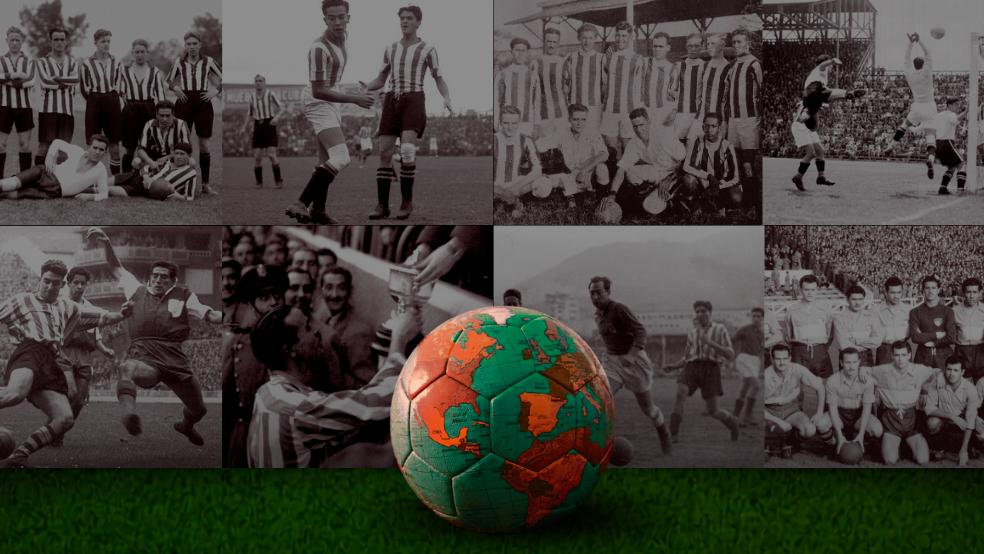
Of particular significance to Athletic Club is the exhibition entitled ‘Between Mexico and Bilbao: Shared Football Stories’, which opened last Friday at the prestigious Museo Vizcaínas (Bizkaian Museum) in Mexico City.
Lioness Bibiane Schulze, known as Bibi, attended the opening of this exhibition, to which the Athletic Club Museum has made a significant contribution by lending various items from its collection. The Athletic footballer offered a few words of thanks to the organisers and recalled the close ties that her family – including Athletic legend Josemari Belausteguigoitia, ‘Belauste’, and his brothers Patxo, Ramón and Santiago – have with Mexico and football.
The exhibition has been organised by the Arocena Museum in Torreón, where it will also be on display from next week.
Athletic Club will host an adapted version of the same exhibition from November onwards.
Two further exhibitions featuring the Athletic Club Museum
Thanks to contributions made by AC Museoa, Athletic Club will also be part of two further exhibitions to be held during the World Cup.
The exhibition ‘When Spain played in Mexico: 90 years of football’ will be on display at the Spanish Cultural House in Mexico City. The work highlights the numerous sporting links between the two countries. Particular attention is given to the tours undertaken by Athletic Club and, above all, the Basque national team in Mexico during the last century.
The Athletic Club Museoa has also contributed to the exhibition “The People’s Game: Soccer and Human Rights” at the National Centre for Human Rights in Atlanta, Georgia by lending items from the Basque Country for a display “that explores, through immersive experiences, original artefacts and moving stories, football as a space for dignity, and how football, on its own, does not change the world, but those who play it can".